
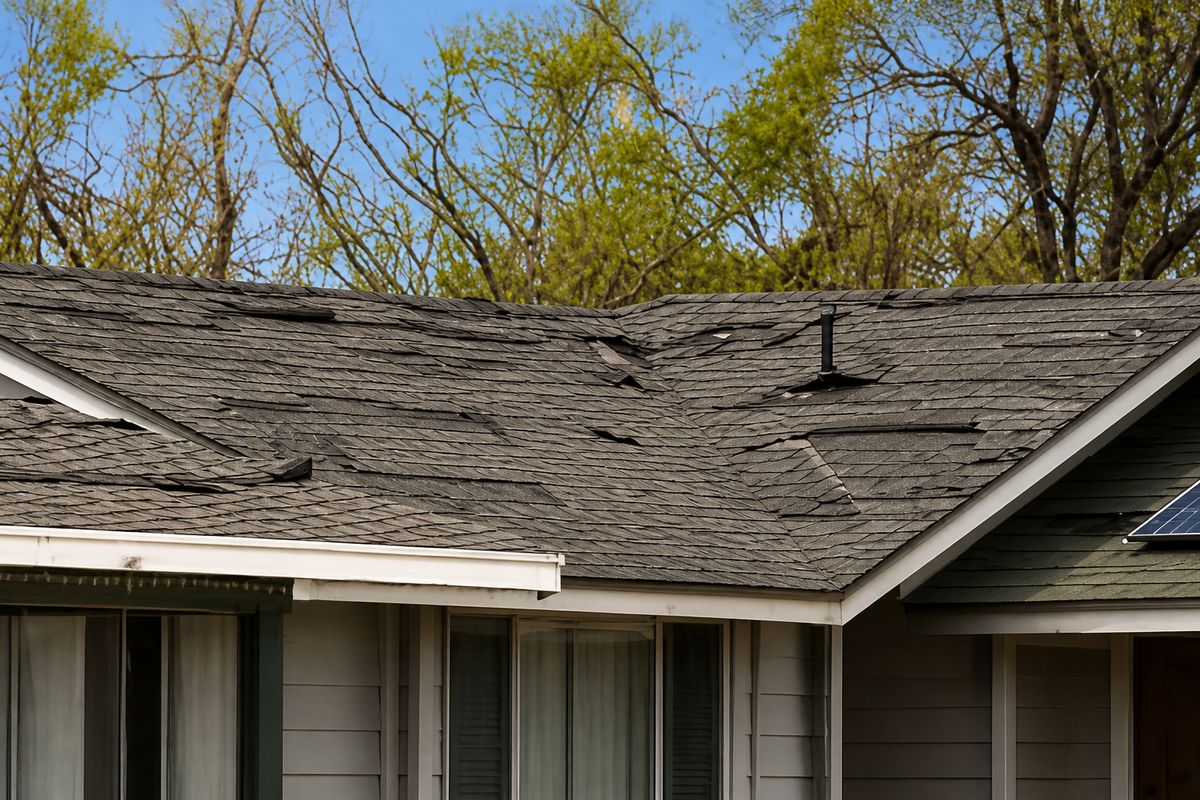
Hurricane Lowell hits Kauai, power outages and what comes next
Hurricane Lowell hits Kauai, fierce wind, rain and widespread power outages
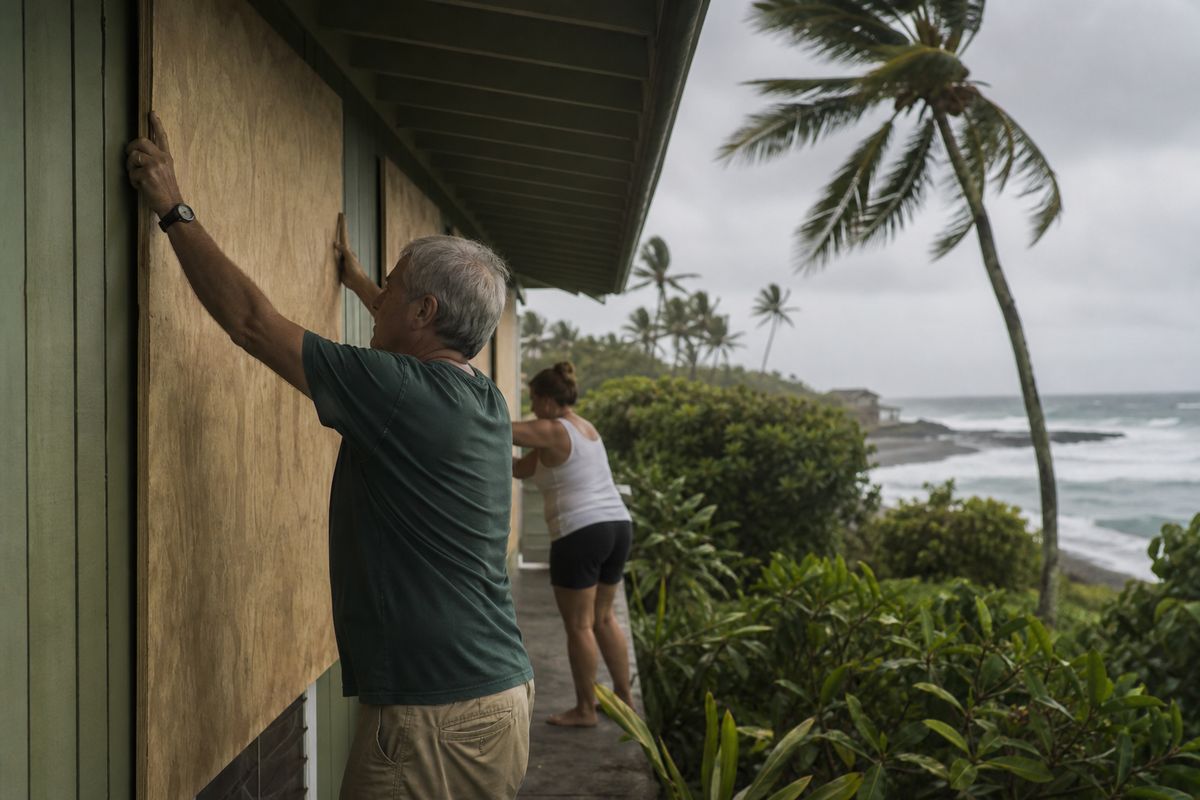
Hurricane Lowell hits Kauai in the early hours of Tuesday, bringing heavy rain, howling winds and power outages that leave nearly all of the Hawaiian island without electricity, according to reporting that describes the storm’s outer bands spreading across the western part of the state. It is the kind of night locals remember for years, not because it is cinematic, but because it is disruptive in a very practical way: lights out, roads uncertain, communications patchy, and a community forced into storm mode.
Kauai is not a huge place, but it is complex. It is the “Garden Island”, famous for the Na Pali Coast sea cliffs, beaches that ring the island, and hikes in Waimea Canyon that visitors routinely describe as among the most beautiful anywhere. That mix of rugged geography and a tourism heavy economy makes any major weather event a big deal. When the wind arrives and the power goes, the impacts are immediate, and they ripple fast through households, hotels, restaurants, tour operators and public services.
What is clear from the available source material is the headline reality: rain and fierce wind pound Kauai, and the island experiences near total power loss early Tuesday as Hurricane Lowell’s outer bands move over the western part of Hawaii. The source material does not provide precise wind speeds, rainfall totals, outage counts, or a full timeline of restoration. And that matters, because without those numbers it is easy for outside observers to underestimate what “nearly all” really feels like on an island where supply chains, emergency response and day to day life depend on a small number of critical routes and systems.
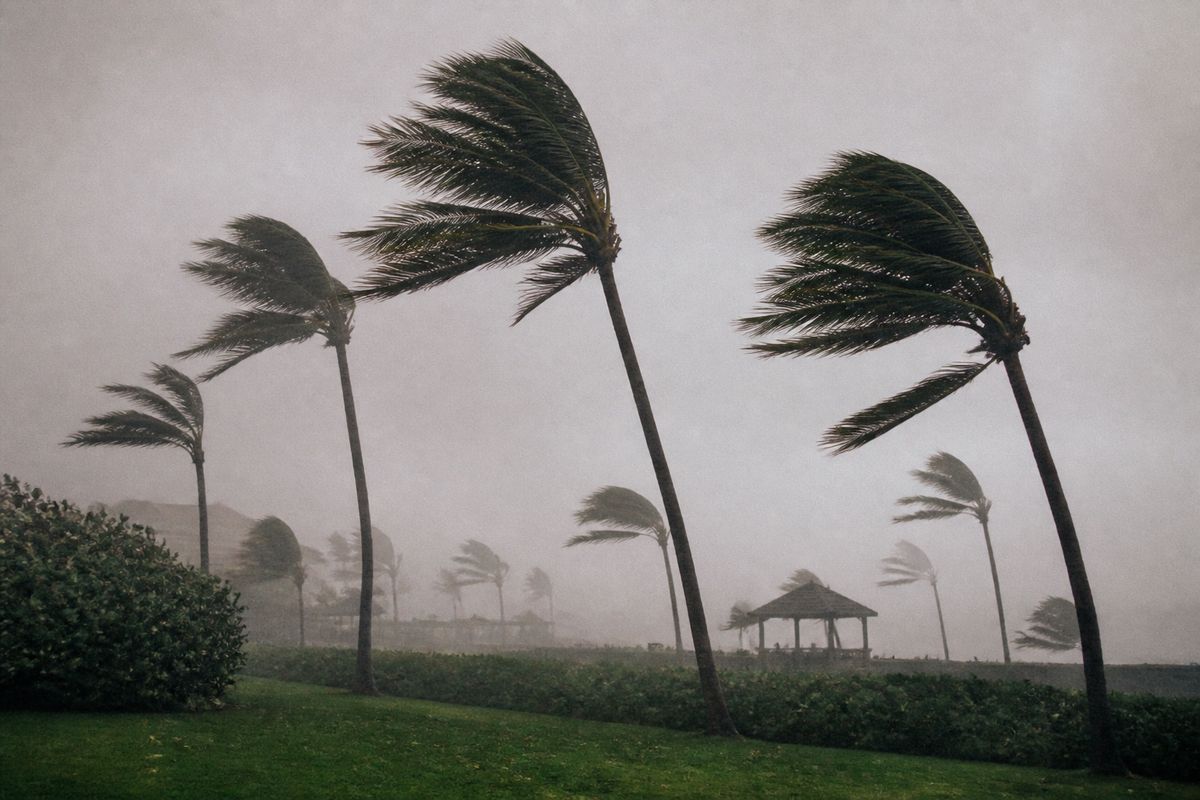
What happens on the ground when Hurricane Lowell hits Kauai
When a hurricane’s outer bands arrive, the public often expects a single dramatic moment. In reality, it is usually a long, grinding sequence. Bands of rain sweep through, then ease, then return. Winds surge, then shift. Trees and debris become hazards. And the power grid, already exposed to salt air and coastal weather, can fail in multiple places at once. The reporting describes heavy rain and howling winds, and it notes that nearly all of Kauai is without power early Tuesday. That combination is more than an inconvenience, it changes what is possible.
Power outages on an island affect far more than lighting. Refrigeration becomes a problem for households and food businesses. Mobile networks can degrade as backup systems run down. Traffic signals go dark. Water and wastewater systems can face stress depending on how pumping and treatment are configured. The source material does not specify which services are disrupted beyond electricity, so any claim beyond outages would be speculation. But the pattern is familiar in storm events: once electricity is lost at scale, every other system has to work harder.
There is also the question of movement. Kauai’s appeal is its outdoors, but that same terrain can become a constraint. Steep valleys, coastal roads and exposed ridgelines are not forgiving in high winds and heavy rain. Visitors may be tempted to “go look” (people do), yet emergency services typically want fewer cars on the road, not more. Without confirmed official statements in the provided material, it is not appropriate to attribute specific travel advisories. Still, the practical reality is straightforward: in an island wide outage, the safest plan is usually to stay put until conditions stabilise.
And then there is the human side. Kauai is often described as quieter and less polished than Oahu or Maui, “country” in the affectionate local sense, as one recent community discussion puts it. That character can be a strength in a storm, because communities that are used to doing things themselves often mobilise quickly. But it can also mean fewer redundancies, fewer alternative routes, and fewer “spare” resources when something breaks.
Kauai’s geography and infrastructure, why storms hit differently here
To understand why Hurricane Lowell hits Kauai in such a disruptive way, it helps to start with the island itself. Kauai is widely marketed as a nature lover’s destination, and for good reason. The Na Pali Coast is dramatic and exposed. Waimea Canyon draws hikers into steep terrain. Beaches wrap around the island, which means a lot of development and activity sits close to the ocean and is therefore exposed to wind, rain and coastal impacts.
Administratively, the County of Kauai covers not only Kauai itself but also Niihau, Lehua and Kaula. That matters in emergency planning, because county resources have to consider multiple islands and remote areas, even if the main population and visitor footprint is on Kauai. The source material does not detail how the county responds to this specific event, but the structure hints at the operational challenge: a county government with a wide geographic remit dealing with a fast moving weather system.
Infrastructure on islands tends to be both resilient and fragile, which sounds contradictory but is not. It is resilient because it is built with weather in mind and because communities practise preparedness. It is fragile because there are fewer alternatives. If a mainland region loses a substation, power can sometimes be rerouted. On an island, rerouting options can be limited. The reporting’s phrase “nearly all” without power suggests a broad failure, not a localised one. Again, the source material does not provide the technical cause, so it is best to treat the outage as a symptom of severe conditions rather than assume a specific fault.
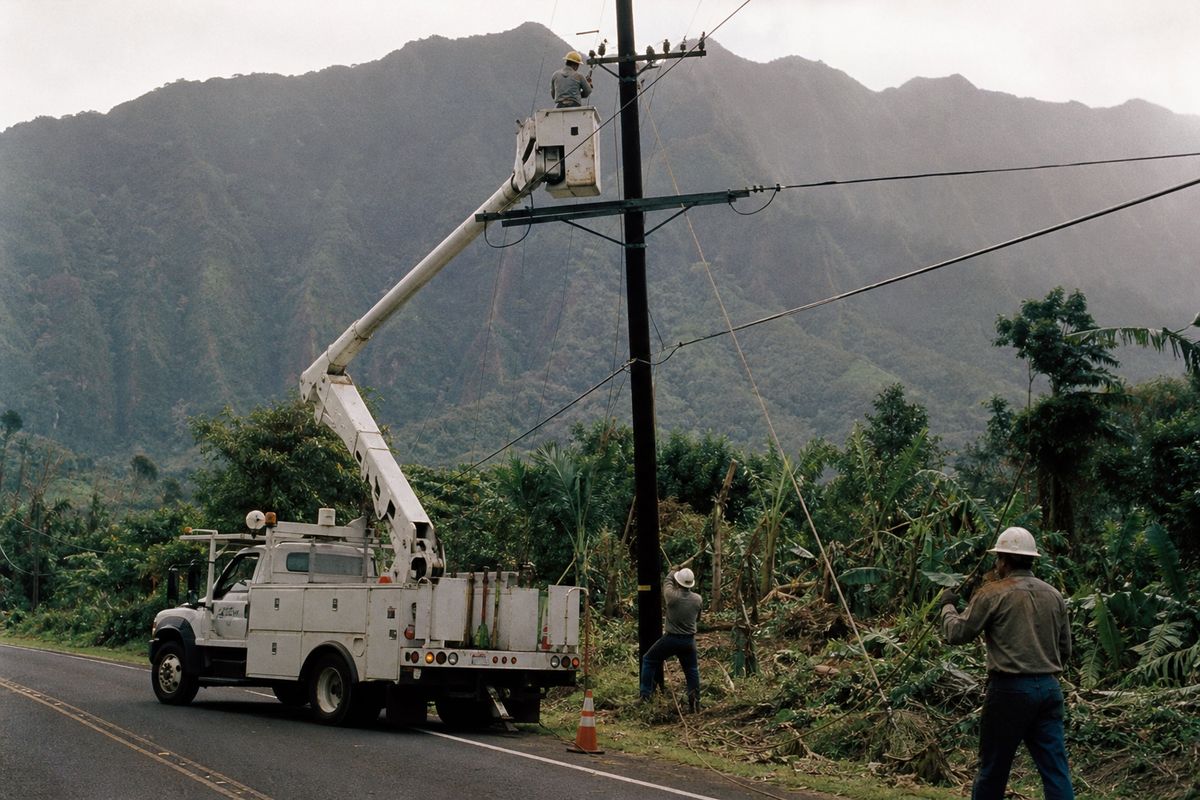
Tourism also shapes infrastructure priorities. Kauai’s economy is deeply tied to visitors who come for beaches, boat trips, hikes and scenic drives. Community discussions about visiting Kauai often highlight its slower pace and quieter feel. That is part of the brand. But it also means that when a hurricane arrives, the island is not just protecting residents, it is also managing a large transient population that may not understand local risks, may not have supplies, and may not know where to go if communications fail.
Tourism, local life and the immediate economic shock after Hurricane Lowell hits Kauai
When Hurricane Lowell hits Kauai, the first priority is safety. The second, inevitably, is recovery. And for Kauai, recovery is tightly linked to tourism. Visitors come for the outdoors: the Na Pali Coast, beaches, canyon trails, boat cruises and the general promise of a calmer, greener Hawaii. But those are exactly the activities most likely to be paused after heavy rain and high winds. Trails can be unsafe, coastal conditions can be rough, and operators may not have power or staff available.
Even without specific cancellation figures in the source material, it is reasonable to analyse the mechanisms of impact. A near island wide power outage affects hotels and holiday rentals, which then affects guest experience and potentially triggers rebookings. Restaurants and supermarkets face spoilage risks. Tour companies may have to reschedule or refund. And employees may be dealing with their own home damage or childcare disruptions. The economic shock is not just about lost visitor spending in a single day, it is about the knock on effect of uncertainty.
There is also a reputational element. Kauai’s appeal includes being “rougher around the edges”, as one community post describes it, compared with more urbanised islands. Many travellers love that. But in a crisis, “rougher” can be misread as “less prepared”, even if that is unfair. The island’s official tourism messaging focuses on nature and adventure, which is great in normal times. After a hurricane, the messaging challenge becomes: reassure without downplaying, and update without causing panic. The source material does not include official communications, so the point here is strategic rather than descriptive.
And then there is the longer tail: travellers who are due to arrive in the following days. Do they come anyway? Do airlines adjust schedules? Do insurers treat the event as a trigger for trip interruption? None of that is detailed in the provided sources. But historically, storms can create a short term dip in arrivals even if physical damage is limited, simply because people do not want the hassle. For an island economy, that hesitation can be costly.
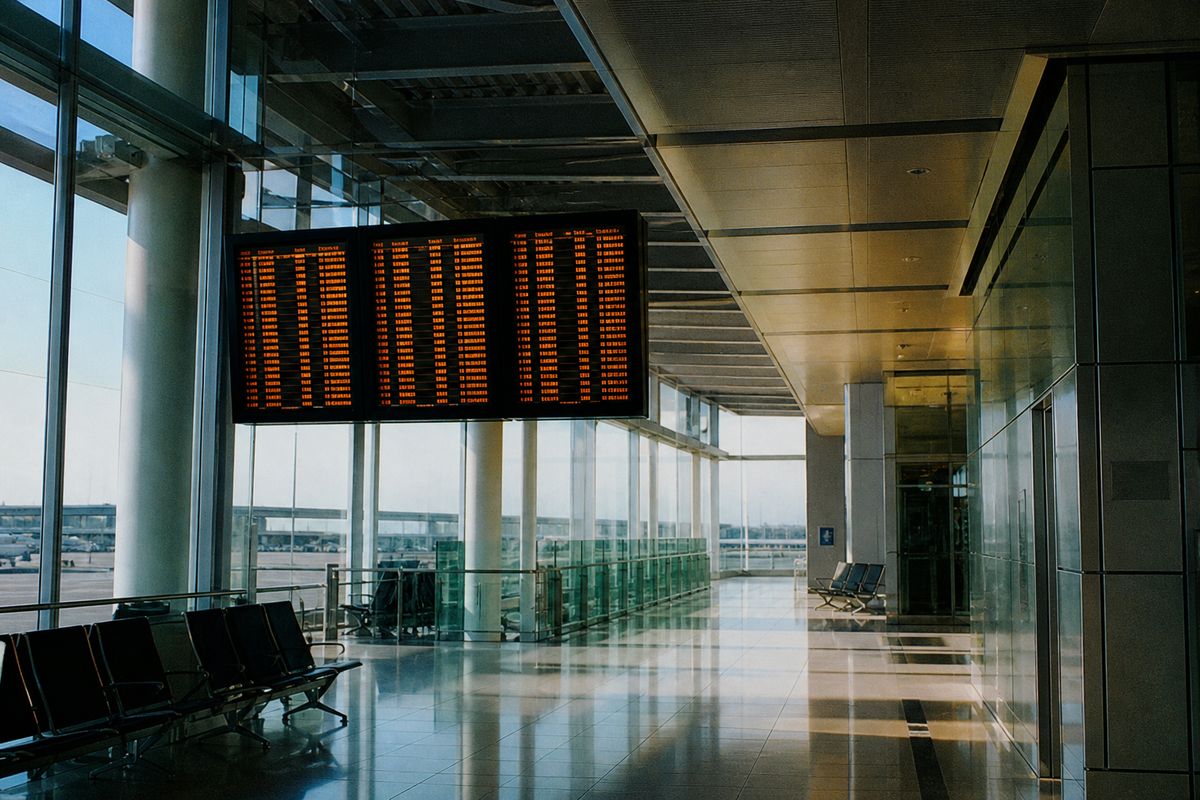
Historical context, how this fits into Hawaii’s storm reality
Hurricanes in the central Pacific are not new, but they are never routine. Hawaii’s islands sit in a region where storms can weaken before landfall, or they can hold together long enough to deliver serious impacts. The reporting on Hurricane Lowell emphasises the outer bands, which is an important detail. Outer bands can produce intense localised weather, including squalls and heavy rain, even if the storm’s centre is not directly overhead.
Kauai’s landscape amplifies rainfall impacts. Steep terrain can turn heavy rain into rapid runoff. Valleys and canyons can funnel water. Coastal roads can be exposed to wind and debris. None of these are unique to this event, but they are the backdrop that makes “heavy rain and howling winds” more than just a dramatic phrase. It is a description of conditions that can quickly overwhelm normal operations.
There is also a broader context of how people experience Kauai. Visitors often describe it as quieter and more relaxed, with fewer big city distractions. That is part of why it is special. But the same qualities can mean fewer large scale shelters, fewer alternative commercial centres, and a smaller margin for error when utilities fail. The source material does not compare Lowell to previous named storms, and it does not provide damage assessments. So the historical comparison here is about vulnerability and resilience patterns, not about claiming equivalence to any specific past hurricane.
One more point that often gets missed: islands recover in public view. On the mainland, a storm can hit one county and the rest of the state carries on. On Kauai, if nearly all power is out, it is the whole story. That can create a sense of total shutdown, even if some services continue. It also means recovery efforts are intensely local, with limited ability to “borrow” capacity from neighbouring areas in the first hours.
Why It Matters
Hurricane Lowell hits Kauai, and the immediate headline is outages. But the deeper story is about what an island wide power loss reveals about modern tourism economies built on a promise of effortless comfort. Kauai sells nature, yes, but it also sells reliability: working air conditioning, cold drinks, functioning card machines, safe roads to trailheads. When electricity disappears across an island, the gap between the marketing image and the lived reality becomes obvious. That is not a criticism of Kauai, it is simply the truth of any destination that is both wild and inhabited.
There is also an equity angle that tends to get glossed over. Visitors can often leave. Residents cannot. In a near total outage, households with generators, supplies and flexible work arrangements cope better. Households without those buffers face harder choices, especially if outages last beyond a day. The source material does not detail duration or neighbourhood level impacts, so it is not possible to say who is hit hardest in this specific case. But the pattern is consistent across disasters: the same event feels very different depending on resources and stability.
Finally, Lowell is a reminder that “outer bands” are not a footnote. They are the event for many people. The centre does not have to make a direct hit for a place like Kauai to experience widespread disruption. For policymakers and utility planners, that should sharpen the focus on grid hardening, vegetation management, backup power for critical services, and clear public communication that treats partial impacts as serious. For travellers, it is a nudge to pack a little humility along with the hiking boots (and maybe a torch).
What to watch next, restoration, communications and the next travel decisions
In the days after Hurricane Lowell hits Kauai, the key question becomes restoration. How quickly does power return, and in what order? The source material does not provide restoration estimates or utility statements, so any timeline would be guesswork. Still, the sequence typically follows priorities: critical facilities first, then dense residential areas, then more remote pockets. On an island, logistics can slow that process, particularly if roads are blocked by debris or if crews must wait for winds to drop.
Communications matter almost as much as repairs. In a widespread outage, rumours fill the gaps. Visitors want to know whether they should move hotels, change flights, or simply wait. Residents want to know when food will spoil, whether schools or services will reopen, and which areas are safe to travel through. Without official updates included in the provided sources, the best that can be said is that clear, frequent, plain language information is essential, especially for an island that hosts many first time visitors.
There is also the tourism reset. Kauai’s draw is its outdoors, but outdoor assets are sensitive after storms. Trails may need inspection, beaches may have debris, and ocean conditions can remain rough even after skies clear. Operators will be balancing safety, staffing and customer expectations. And travellers will be watching social chatter as much as official channels. Community discussions already show that people see Kauai as less polished and more “country”. After a storm, that identity can either reassure people, because it signals toughness, or deter them, because it signals inconvenience. The narrative will matter.
For the wider industry, Lowell is another case study in climate risk management for island destinations. Not because hurricanes are new, but because the economic stakes are higher when travel is tightly scheduled and reviews travel instantly. Resorts, airlines, tour operators and local government all have an incentive to treat resilience as part of the product, not an afterthought. When nearly all power goes out, the island is reminded, in the bluntest way, that resilience is not a slogan. It is infrastructure, planning and community.
Closing thoughts
Hurricane Lowell hits Kauai and, at least in the reporting available here, the defining image is simple: heavy rain, fierce wind, and an island largely in the dark early Tuesday. It is not a story that needs embellishment. Anyone who has lived through a night without power in severe weather knows how quickly normal life shrinks to basics.
Kauai will recover, because it always does. But the event should not be filed away as just another weather headline. It is a stress test of infrastructure, a challenge for a tourism economy built around seamless experiences, and a reminder that the Garden Island’s beauty comes with real exposure. The next few days will be about repairs and reassurance. The longer term question is whether the lessons stick, before the next storm shows up on the horizon.