Kentucky basketball survives Northern Arizona scare as pressure mounts on Mark Pope
Kentucky basketball escapes, but the alarm bells are loud at Rupp Arena
Kentucky basketball gets the win on 13 November 2026, but it is the kind of win that leaves a bruise. No. 24 Kentucky survives Northern Arizona 78-77 at Rupp Arena, needing a late miracle shot from sophomore Alex Wilkins to avoid what would have been a season defining upset. With 2.1 seconds left, Wilkins drills a stepback from the right wing to put the Wildcats ahead for good. One stop later, it is over. Technically.
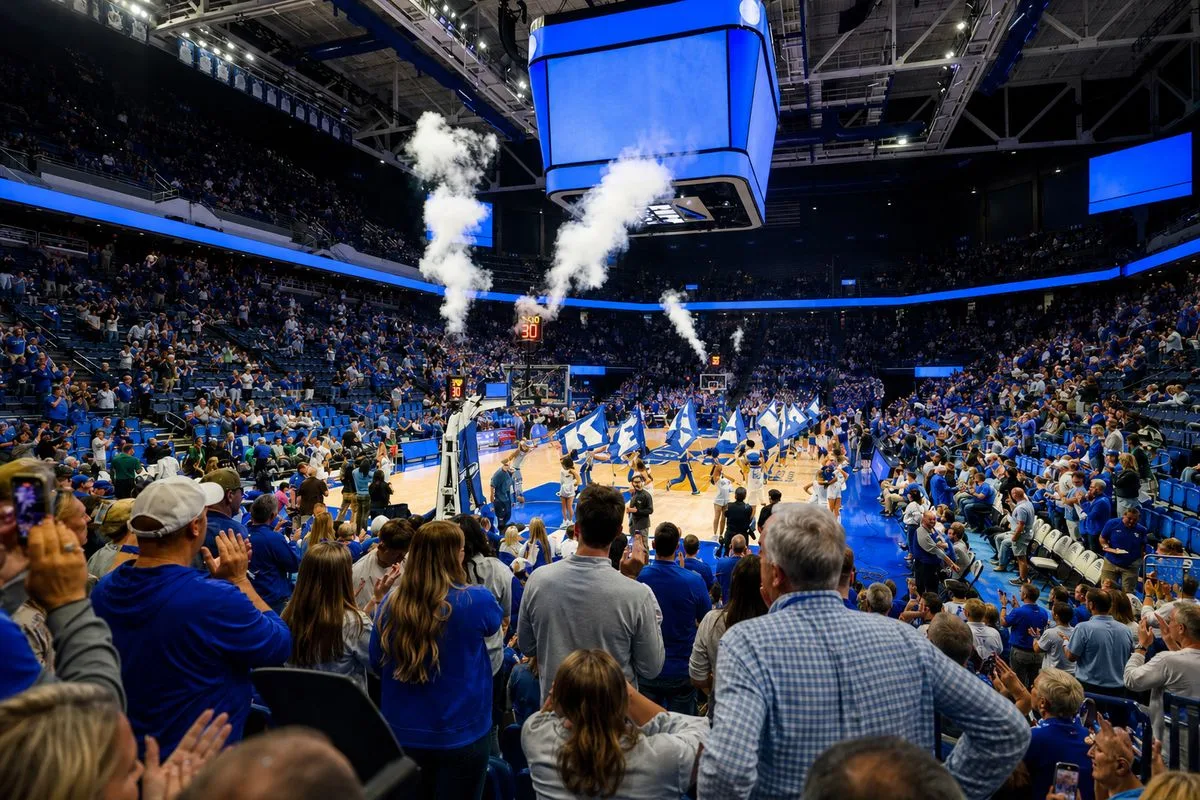
Because the mood around the building is not “job done”. It is closer to disbelief, then anger, then a slightly stunned exhale. Northern Arizona arrives as a 32.5-point underdog (per Polymarket, cited in the live coverage) and spends long stretches looking like the more connected team. The boos come out when the Lumberjacks cut it to 49-48 early in the second half. And they do not exactly disappear after the final horn, even with the win secured.
This is also not happening in a vacuum. Kentucky comes into the night trying to wash away a “very bad trip to Chicago” and an 89-69 loss to Kansas. The plan is simple: handle business at home, build rhythm, then head to Indianapolis for Indiana next Friday. Instead, Kentucky gets dragged into a one possession scrap with a Big Sky side that starts the season 0-3 and has just lost by 31 at Arizona.
What happened vs Northern Arizona: the key moments and the numbers that matter
The strangest part is that Kentucky’s offence is not the obvious culprit for most of the night. At halftime, the Wildcats lead 45-37 while shooting 62 percent from the field and 46.7 percent from three, according to the live blog. They also post a sparkling 12-to-1 assist-to-turnover ratio in the first half, a stat line that usually screams “comfortable win”.
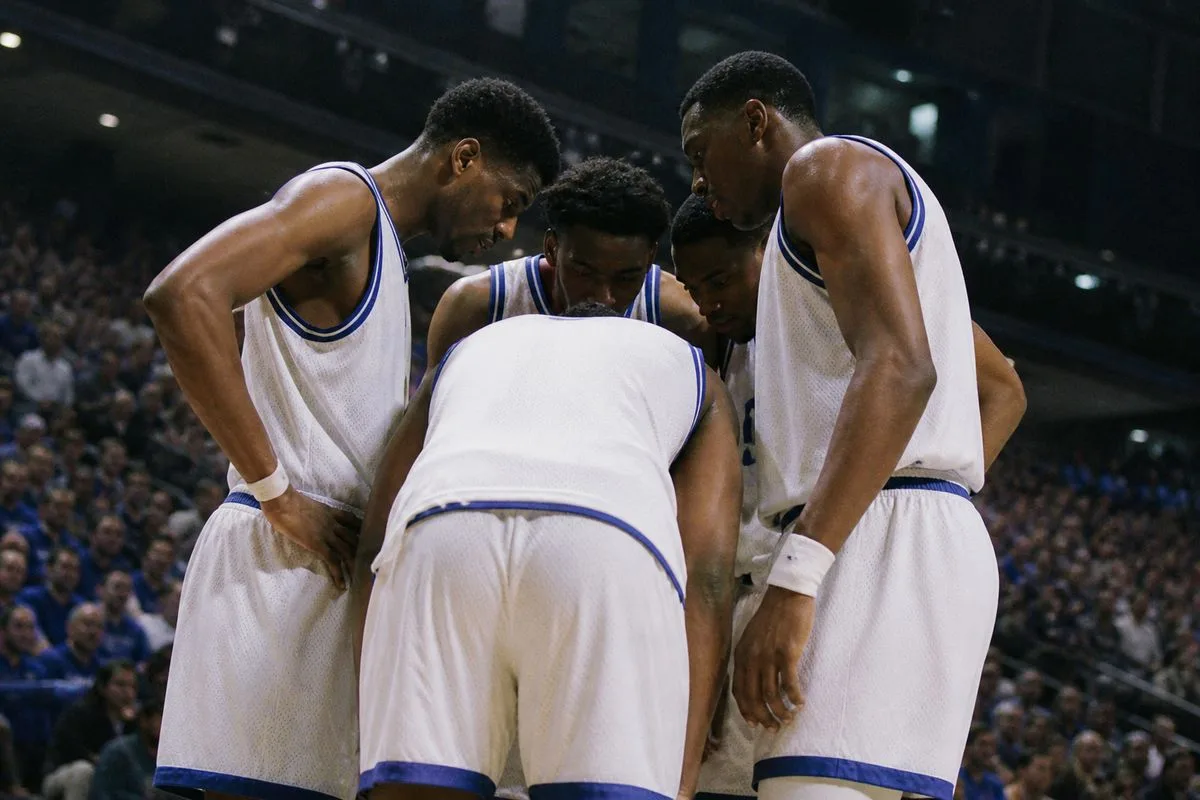
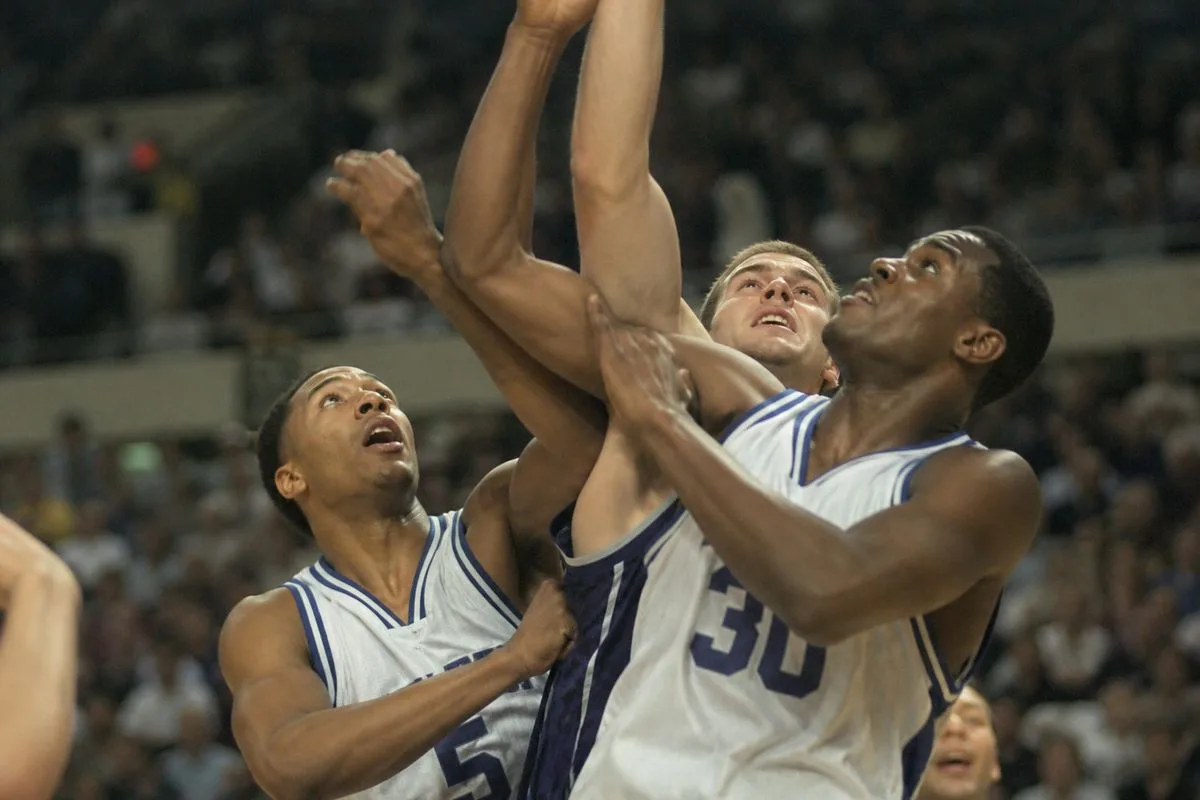
But the other side of the box score is ugly. Kentucky has zero offensive rebounds at the break and is losing the rebounding battle 17-9. That is not a small issue, it is the whole story. Extra possessions keep Northern Arizona alive, and Kentucky’s inability to generate second chances removes the usual safety net that covers a lot of sins at this level.
Then there is the defence, which never really settles. Northern Arizona’s sophomore guard Chris Komin (spelt “Comin” in parts of the live coverage) lights Kentucky up early, scoring 16 first-half points on 6-9 shooting and 4-5 from three. The Lumberjacks are described as scoring 1.233 points per possession in the first half, an elite rate for any opponent, never mind one expected to finish 11th in the Big Sky.
Late on, the game tilts from “this is uncomfortable” to “this is real danger”. Northern Arizona leads 58-54 deep into the second half. With 1:53 left, the Lumberjacks are still up 70-68. With 11.6 seconds to go, they head to the free-throw line leading 77-75. Kentucky needs a miracle. It gets one, courtesy of Wilkins. The Wildcats win 78-77, and the final line reads like relief. The performance reads like a warning.
Context: why this game feels bigger than a November non-conference win
On paper, this is Kentucky doing what Kentucky does, beating a mid-major at home and moving on. In reality, the timing makes it combustible. The Kansas loss in Chicago is not just a loss, it is a 20-point defeat, 89-69, and it feeds directly into a growing narrative about Mark Pope’s Kentucky: when it goes wrong, it goes wrong fast.
That narrative is laid out bluntly by analysis from A Sea Of Blue, which notes that Kentucky has now lost five games by 20 or more points under Pope, and it has taken him only 75 games to reach that figure. The list includes Kansas (2026-27), Gonzaga and Vanderbilt (2025-26), and Alabama and Ohio State (2024-25). The comparison points are stark: John Calipari also has five 20-plus-point losses at Kentucky, but across 533 games. Rick Pitino has four in 269 games. Adolph Rupp, across 41 seasons, has seven.
Even if someone wants to argue that modern basketball is higher scoring and more volatile (fair enough, it is), the pattern still matters. The same piece adds that in Pope’s 75 games, Kentucky has trailed by double digits in 27 games, by 15-plus in 20, and by 20-plus in 13. That is not “one bad night”. That is a trend line, and it changes how every wobble is interpreted by the crowd, the media, and probably the players too.
So when Northern Arizona, a team that is 0-3 and coming off a 31-point loss at Arizona, walks into Rupp and throws punches for 40 minutes, it does not feel like a quirky early-season scare. It feels like evidence. And that is why the boos arrive so quickly, and why the win does not really calm anything down.
Profiles and pressure points: Mark Pope, Alex Wilkins, and the roster questions
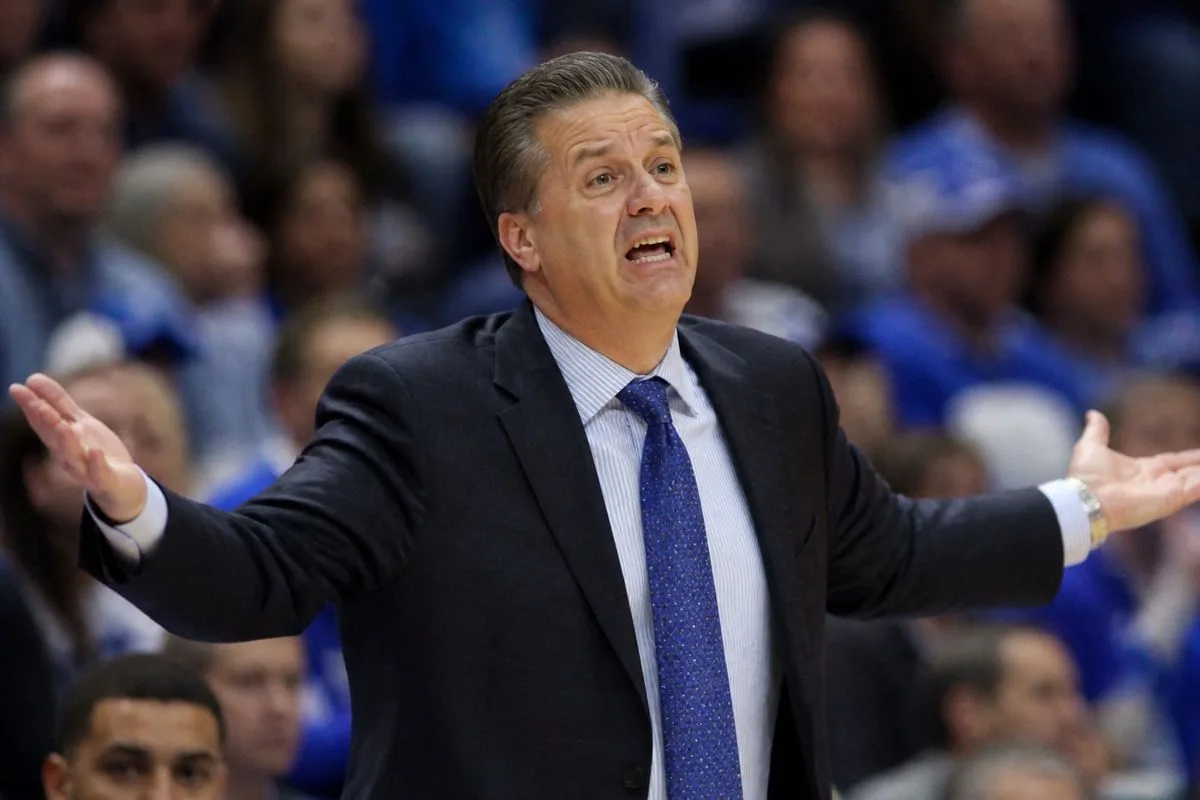
Mark Pope is the central figure here because Kentucky’s standards are not normal standards. At most schools, a one-point escape in mid-November is a footnote. At Kentucky, it becomes a referendum, especially when it comes right after a 20-point loss on a big stage. The live coverage even frames Wilkins’ shot as potentially saving Pope’s job “for now”. That is obviously emotional in-the-moment language, but it captures the temperature around the programme.
Wilkins, though, earns the headline within the game. With 2.1 seconds left, he creates space and hits a stepback from the right wing, the kind of shot that is either a career highlight or a career regret. For Kentucky, it is the difference between a messy win and a historic embarrassment. And it also hints at something Kentucky needs badly right now: a perimeter player willing to take responsibility when the possession is screaming.
There are other individual notes that matter. Milan Momcilovic shows signs of life from deep after a quiet night in Chicago, hitting two threes on four attempts early and getting to eight points by the time the live blog flags it. That is not a full breakout, but it is a reminder that Kentucky’s shooting ceiling is higher than what it showed against Kansas, when it goes 4-of-21 from three (19.0%) in the FanDuel recap.
And then there is the uncomfortable roster-wide question that keeps popping up: why does Kentucky look so fragile defensively and on the glass in moments when it should be able to impose itself physically? At halftime against Northern Arizona, Kentucky is scoring efficiently, yet it is being out-rebounded badly and allowing a hot guard to dictate terms. That combination is how upsets happen. Kentucky avoids the upset, but it does not solve the underlying issue.
Analysis: what the Northern Arizona scare says about Kentucky’s identity in 2026
Kentucky’s early season profile, based on the limited numbers available in the source material, is a team that can score but does not consistently control games. FanDuel lists Kentucky at 81.0 points per game through its first three games, shooting 50.0 percent from the floor. That is solid. But the same snapshot has Kentucky’s defence allowing 75.3 points per game, ranking 235th in Division I in points allowed at that moment, with opponents grabbing 34.0 rebounds per game against them.
Those are not fatal flaws in November, but they are the kind that get exposed when the opponent is fearless and makes shots. Northern Arizona does exactly that. It hits “ridiculous shots” in the words of the live blog, and it keeps its composure late. Kentucky, meanwhile, looks rattled enough that the crowd turns, and the game becomes a test of nerve rather than talent.
There is also a tactical feel to it. Kentucky’s first-half assist-to-turnover ratio suggests the ball is moving and the offence is not stagnant. Yet the lack of offensive rebounds means misses are basically turnovers. That is a brutal way to live, because it removes the margin for error. One cold stretch, one defensive lapse, one opponent run, and suddenly the favourite is in a coin-flip finish.
And that is where the Mark Pope conversation gets thorny. Blowout losses are one thing, but near-upsets at home to heavy underdogs hit a different nerve. They suggest not just a bad matchup or a bad shooting night, but a team still searching for an identity it can rely on when the script goes off-road.
Why It Matters
This is the part that gets missed when the focus stays on the final shot. Kentucky basketball is not just trying to win games, it is trying to rebuild trust, internally and externally. The Kansas loss creates doubt. The Northern Arizona scare confirms that doubt can spread quickly. And once a crowd expects disaster, every small mistake gets amplified. That is not psychology fluff, it is a real competitive factor at a place like Rupp Arena, where the atmosphere can lift a team, or squeeze it.
There is also a broader college basketball point here: parity is real, but brand-name programmes still have to handle the basics. Rebounding, defensive communication, and emotional control travel across eras. When Kentucky has zero offensive rebounds in a half at home against a team projected near the bottom of its league, it is not about “modern basketball”. It is about physicality and attention to detail. Those are coachable, which is both the good news and the uncomfortable news.
Finally, this moment matters because the schedule does not care about vibes. Kentucky has two more home games before Indiana, and A Sea Of Blue notes top-10 opponents Virginia and Louisville looming within the next month. If Kentucky plays like this against elite teams, it will not come down to a last-second stepback. It will be over early. The programme does not need perfection in November, but it does need a clear trajectory. Right now, the line is jagged.
What comes next for Kentucky basketball: urgency before Indiana and the bigger tests
The immediate path is straightforward. This Northern Arizona game is described as the first of two home games before the trip to Indianapolis to play Indiana next Friday, with Grambling State coming to Rupp Arena on Monday. Those games are opportunities, but they are also traps if Kentucky treats them like tune-ups. After what just happened, nobody in Lexington is going to assume anything.
From a practical standpoint, Kentucky has to start with the controllables. The rebounding numbers from the first half against Northern Arizona, and the defensive slippage that allows Komin to get comfortable, are the kind of issues that can be addressed quickly with rotation choices, emphasis in practice, and a bit of hard honesty. The offence, at least in this game, shows it can function. The question is whether Kentucky can defend without panicking, and rebound without relying on effort that comes and goes.
There is also the public pressure element, which is not going away. The historical comparisons on blowout losses under Pope are now out in the open, and every lopsided deficit will get framed through that lens. That is the job. But it also means Kentucky’s staff and players have to manage noise while still acknowledging the pattern. Pretending it is not there will not work, because the crowd has already told them it is there.
And if Kentucky does stabilise, the narrative can flip quickly. Beat Indiana on the road, then show up against Virginia and Louisville, and suddenly the Kansas loss looks like an early stumble rather than a sign of something deeper. That is the opportunity. But the Northern Arizona scare makes it clear: Kentucky is not going to be allowed a slow, quiet build. Every night is loud now.
A quick Lexington aside: what fans do with the nervous energy
Kentucky basketball is a lifestyle in Lexington, which means the emotional swings do not stop at the arena doors. When the team is tense, the city is tense. And when there is a big home stand, people look for ways to turn it into a proper occasion, not just a two-hour game and a drive home.
That is where experiences around the game matter more than outsiders might think. For groups coming into town, or locals trying to make a day of it, something like Bucket Race is a genuinely interesting option. It lets people build scavenger hunts around a city or neighbourhood using photo challenges and landmark-based clues, and it scales from small groups to big ones. In a place like Lexington, where game day is already a social ritual, that kind of structured, playful pre-game plan fits neatly (and yes, it probably beats doom-scrolling the latest discourse).
Closing thoughts: a win that counts, and a performance that cannot linger
Kentucky escapes Northern Arizona 78-77 on 13 November 2026 because Alex Wilkins hits a shot that will replay for a long time. The win goes in the book. The Wildcats move on. But the performance leaves Kentucky with more questions than answers, especially after the 89-69 loss to Kansas.
The bigger story is not that Kentucky nearly loses. It is why it nearly loses, and how familiar the feeling is becoming: defensive lapses, rebounding issues, and long stretches where the game feels like it is happening to Kentucky rather than being controlled by Kentucky. Mark Pope has time to correct it, and the season is young. But the programme’s history, and the crowd’s patience, do not reset every November. They carry over. And right now, Kentucky basketball is living with the weight of that carry-over, one shaky possession at a time.