Virat Kohli in 2026: The milestone chase, the form debate, and what it says about modern cricket
Virat Kohli and the latest headline, another milestone in sight against New Zealand
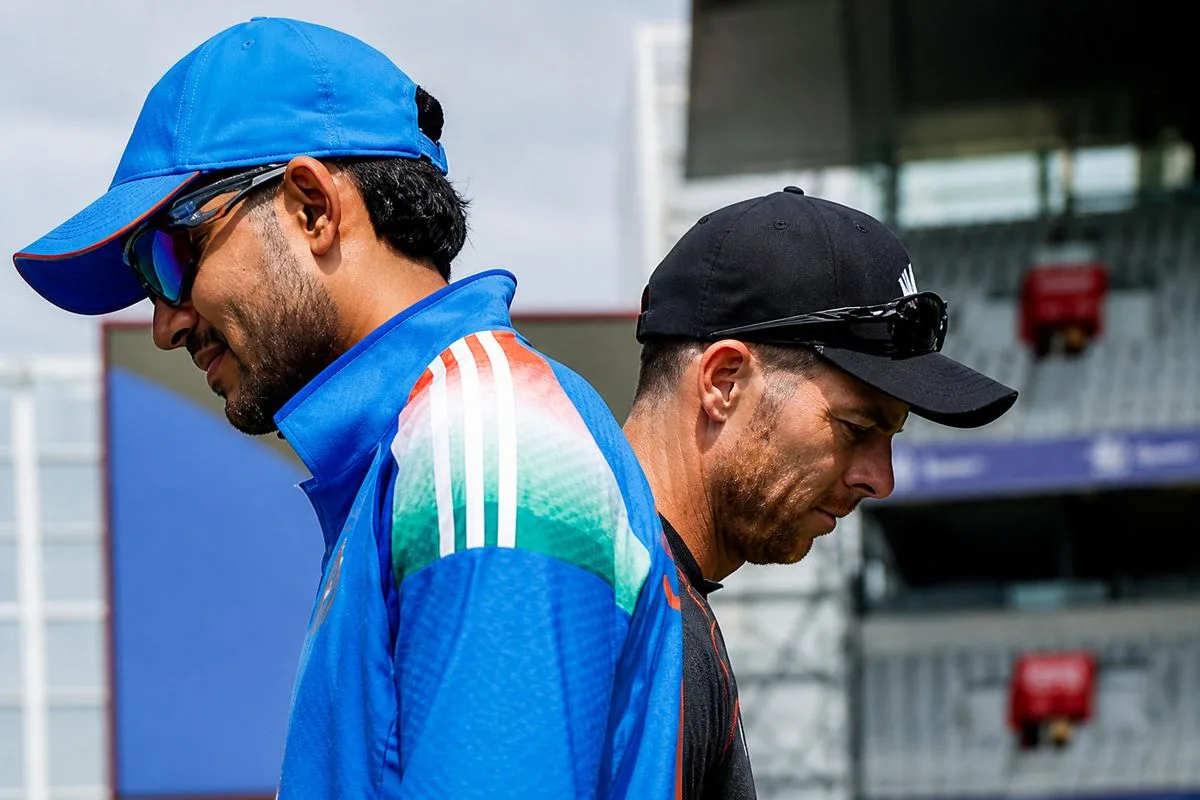
Virat Kohli is back in the news for the kind of reason that has followed him for most of his career, another looming record, another landmark, another reminder that his numbers still sit in the same conversation as the biggest names the sport has produced. The immediate hook comes from the current India tour of New Zealand, with reporting noting that Kohli is on the verge of breaking a Sachin Tendulkar milestone ahead of the first ODI at Eden Park in Auckland.
That is the specific development driving the latest wave of interest. And it matters because it lands at a moment when the public conversation around Kohli is unusually split. On one side, there is the familiar awe at how often he ends up near the top of all time lists. On the other, there is a more anxious, sometimes harsh debate about his recent Test returns, his technique outside off stump, and the broader question of what his legacy looks like now that he is no longer the young disruptor, but the established figure everyone measures themselves against.
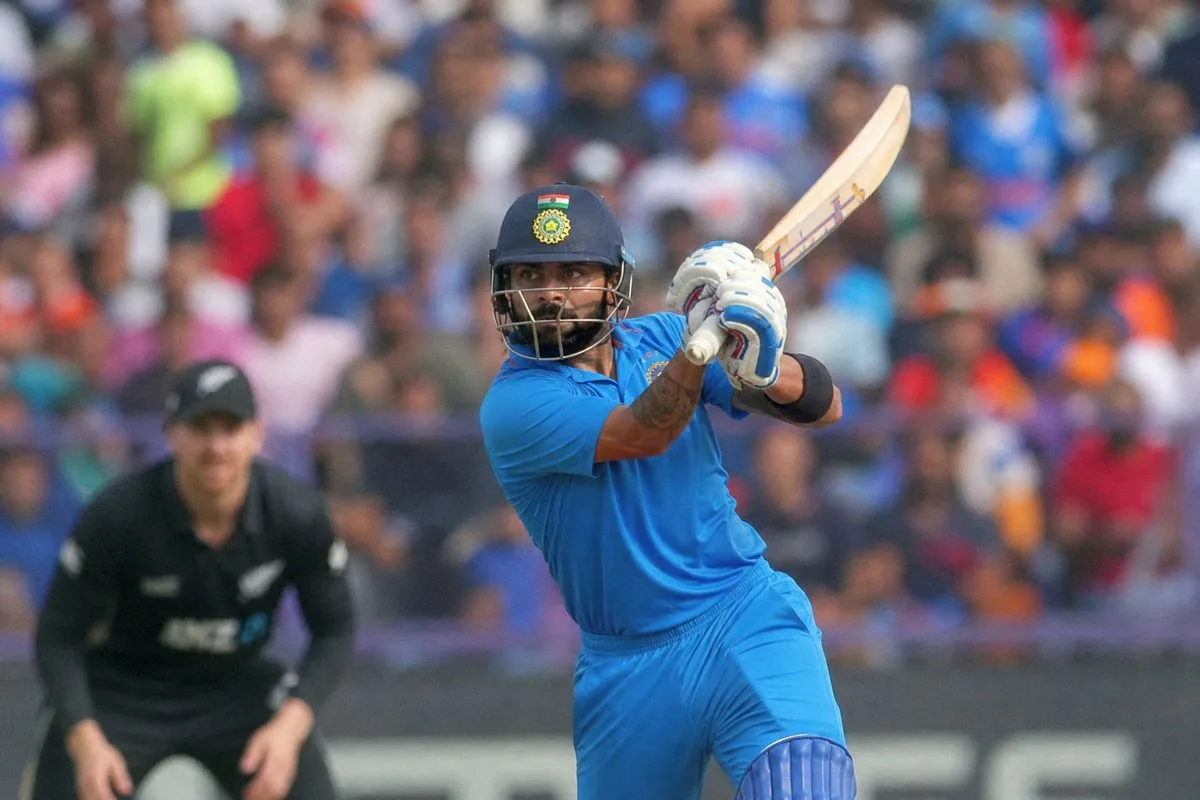
What is striking is how those two storylines coexist without cancelling each other out. A batter can be chasing Tendulkar in one format while being scrutinised in another. That is not hypocrisy, it is just what happens when a player has been elite for long enough that every phase gets compared to his own peak. And in 2026, Kohli is still the rare cricketer who can make an ODI in Auckland feel like a chapter in a much bigger book.
What the New Zealand ODI milestone chase actually represents
The headline framing is simple, Kohli is close to surpassing a Tendulkar benchmark as India begin an ODI series in New Zealand, starting at Eden Park. The source material does not provide the exact record figure or the precise tally required, so it is not responsible to guess at the number. But the broader point is clear enough, this is another instance where Kohli is not merely accumulating runs, he is encroaching on territory that for years was treated as sacred, because it belonged to Tendulkar.
That symbolism is why these moments travel so well. Tendulkar is not just a former player, he is a cultural reference point for Indian cricket. So when Kohli is described as being on the verge of breaking one of his ODI milestones, it is effectively a shorthand for a bigger argument, that Kohli has turned longevity and consistency into a kind of modern dominance, one built not only on talent but on repeatable process.
There is also a tactical layer here. An ODI at Eden Park is not a neutral stage. It is a ground known for its unique dimensions and the way it can turn placement into power, and power into risk. A milestone chase in that setting becomes a test of game management as much as shot making. Kohli’s reputation, reinforced over years, is that he tends to understand the tempo of an innings better than most, when to absorb, when to rotate, when to go hard. If the milestone arrives, it will likely come through that familiar pattern, the quiet accumulation that suddenly looks inevitable.
Virat Kohli’s profile in 2026, still the reference point
Even without leaning on a spreadsheet of career totals, the official and mainstream profile descriptions tell the story. The ICC player bio characterises Kohli as “daring, tough, and fiercely talented”, and notes that he is “arguably one of the finest batters that India has produced”, with comparisons drawn to the very best. That language matters because it reflects how institutions frame him now, not as a star of the moment, but as a defining player of an era.
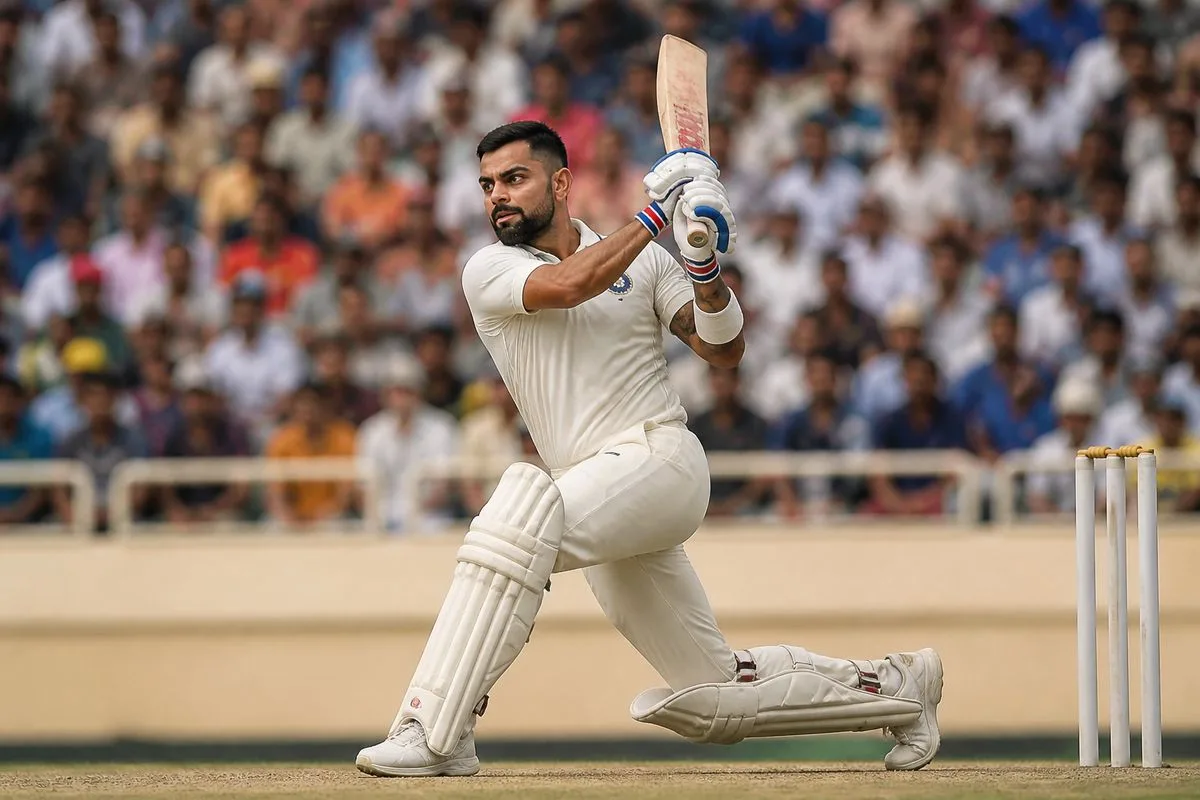
And then there is the public facing persona, which is part of the cricket story whether purists like it or not. Kohli’s social presence, as reflected in the Instagram description surfaced in the source material, emphasises discipline, self belief, consistency, and mental and lifestyle adjustments. It reads like a personal manifesto, and it aligns with what teammates and opponents have long implied, that his edge is not only skill, but the relentless maintenance of that skill. The body, the routine, the standards, the hunger, it is all part of the package.
This is also why the Kohli conversation is so sticky. Fans are not just tracking a batter’s average, they are tracking a philosophy of performance. When he looks fluent, it is taken as proof that discipline wins. When he looks vulnerable, it becomes a referendum on whether even the most controlled process can hold off age, fatigue, and the sport’s constant tactical evolution. In 2026, Kohli is still the player through whom people argue about what elite batting should look like.
The Test debate around Virat Kohli, technique, age, and the wobble seam problem
Alongside the milestone chatter, community discussion in 2026 keeps circling back to a more uncomfortable topic, Kohli’s Test form relative to his own heights. One Reddit thread in r/IndianCricket, dated October 18, 2026, frames it bluntly, asking why he “fell off from such highs” in Tests. The responses, while informal and not authoritative in the way a coach’s report would be, are revealing because they echo themes that have followed many great batters in their 30s, marginal declines in hand eye sharpness, and specific technical stress points, particularly outside off stump.
That thread also mentions the wobble seam and high quality seamers exploiting fine margins. Again, it is not a quantified scouting document, and it does not supply hard data. But it captures a real cricketing truth, modern fast bowling is more sophisticated than ever, with subtle seam presentation and relentless accuracy. For a batter whose game has historically balanced aggression with control, the challenge is not simply “play straighter”. It is about recalibrating judgement, deciding what to leave, what to defend, and what to score from, when the ball is doing just enough to make every decision feel like a coin toss.
There is a second layer to the debate, expectation. Kohli’s peak set a standard that is frankly unfair to most humans. When he does not meet it, the drop feels dramatic, even if the underlying performance is still high by ordinary professional standards. That is the trap of greatness, the baseline moves. And in Tests, where conditions and match contexts vary wildly, the narrative can swing on a handful of dismissals that look similar. Fans notice patterns, and then the pattern becomes the story.
Virat Kohli’s captaincy legacy in Tests, and why it still shapes the conversation
Another community discussion, this one in r/CricketBuddies dated June 25, 2026, asks about Kohli’s legacy as a Test captain. The tone is emphatic, describing him as a major leader in Test cricket. While Reddit is not a formal historical record, it is a useful barometer of how fans remember eras. And Kohli’s captaincy era is remembered, above all, for intensity and for pushing India’s Test identity towards pace bowling, fitness, and an unapologetically competitive posture away from home.
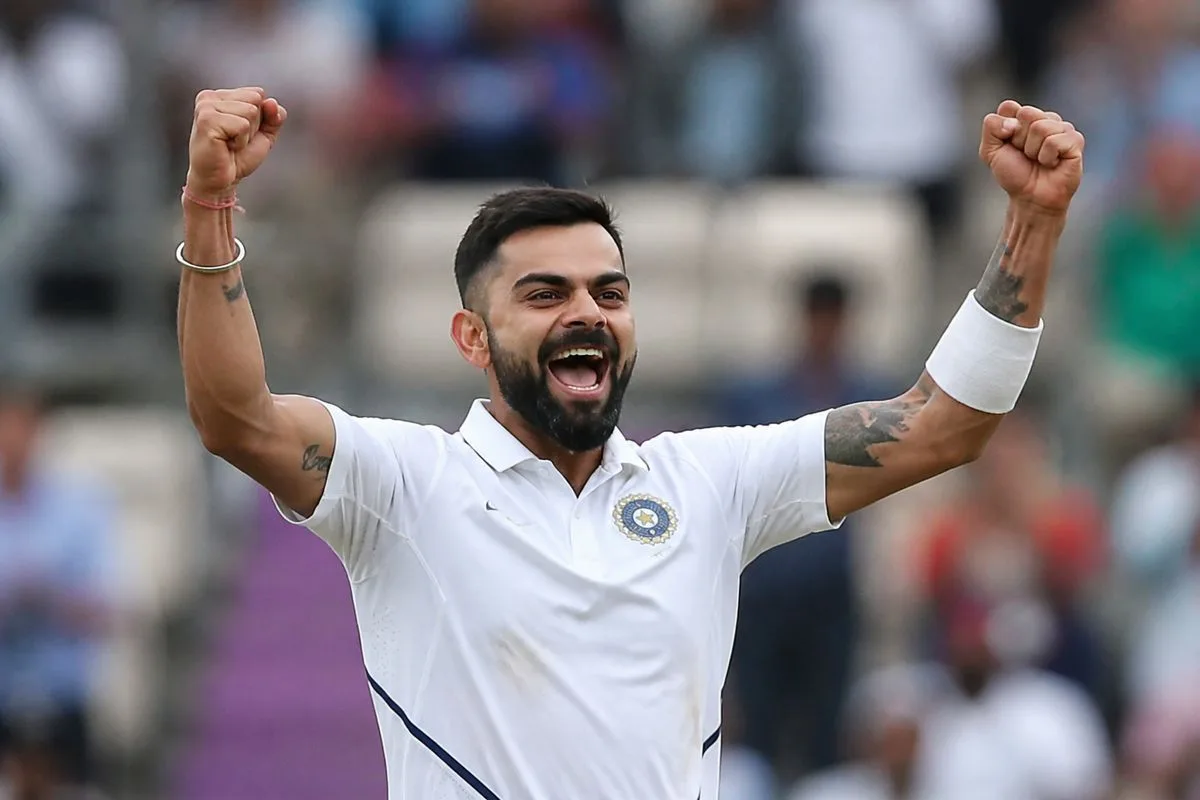
That matters in 2026 because leadership legacies do not fade when the runs slow down. If anything, they become more prominent. When a player is no longer at his absolute statistical peak, people start weighing the other contributions, cultural change, standards, mentality, and the way a team carries itself. Kohli’s brand of captaincy, confrontational at times, always demanding, helped normalise the idea that India should expect to win in difficult conditions, not merely compete.
It also helps explain why every Kohli milestone, even in ODIs, gets framed as part of a larger legacy story. He is not just a batter chasing Tendulkar. He is a former long term captain whose approach influenced selection priorities, training habits, and the emotional temperature of the side. In other words, his impact is not confined to a scorecard. That is why the scrutiny is so intense, because the footprint is so large.
What this moment says about cricket’s wider evolution, and why Kohli sits at the centre of it
Zoom out a bit and the Kohli story in 2026 is also a story about cricket’s shifting centre of gravity. ODI milestones still matter, clearly, but they now compete with franchise calendars, format specialisation, and a constant churn of tactical innovation. In that environment, a player who remains relevant across eras becomes a kind of anchor. Kohli’s career has spanned major changes in fielding standards, sports science, batting intent, and the way teams use data. Yet the core skill, making runs under pressure, remains the currency. That is why these record chases still cut through.
There is also the comparison game. Tendulkar’s era and Kohli’s era are not identical, and anyone pretending they are is not being serious. Pitch preparation, bat technology, analysis tools, travel schedules, and even the psychological load of social media are different. So when Kohli approaches or surpasses a Tendulkar milestone, it is not simply “better” or “worse”. It is evidence that greatness adapts. Tendulkar dominated in a world with less information and more mystery. Kohli dominates in a world where every weakness is clipped, tagged, and bowled at on repeat.
And that is why the Test form debate is not just gossip. It is part of the same evolution. Bowlers are better prepared, plans are more granular, and the margin for technical drift is tiny. A batter’s response, whether through adjustment, reinvention, or selective aggression, becomes a case study for the next generation. Kohli, willingly or not, is still the case study.
What This Means For You
For readers who follow cricket closely, the practical takeaway is to treat the next Kohli milestone not as a trivia point, but as a lens on how elite performance is sustained. Watch the innings construction, not just the highlight shots. Pay attention to how he starts, how he handles the first 20 balls, how he rotates strike when boundaries are not on. Those are the bits that often separate a milestone knock from a near miss, especially in ODIs where tempo is everything.
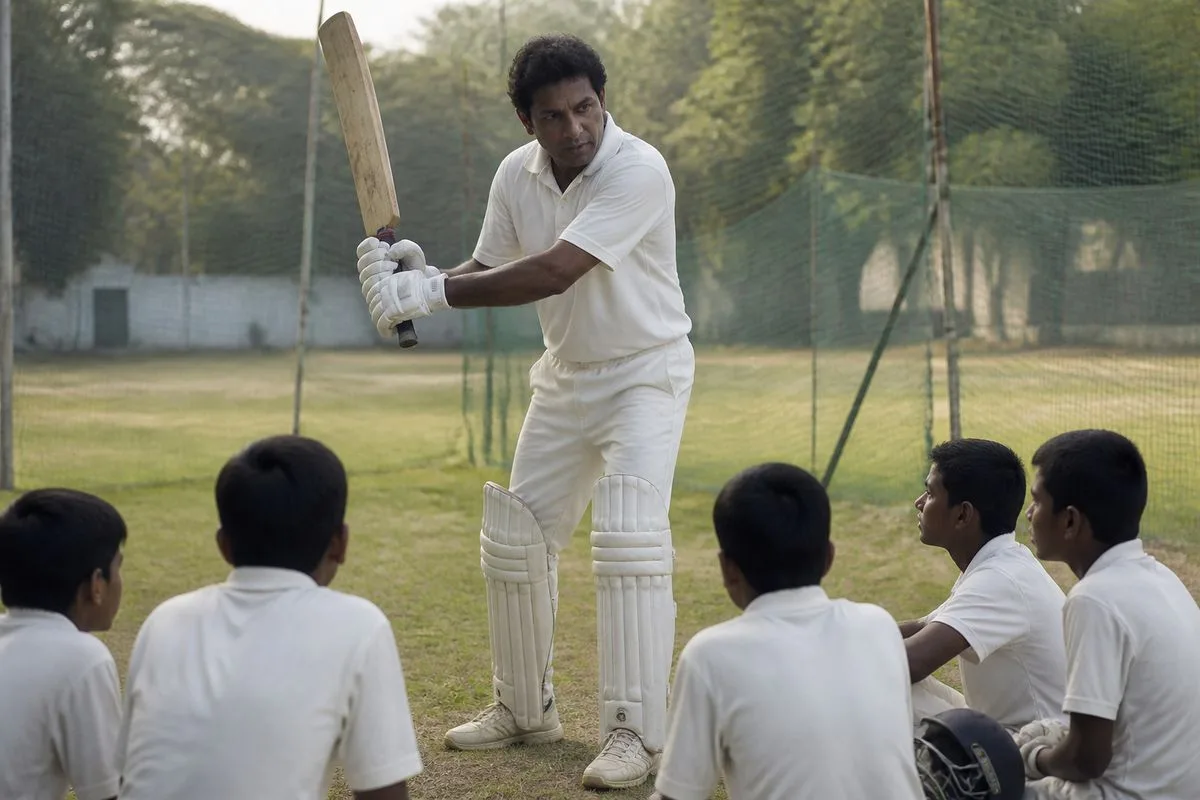
For anyone involved in coaching, club cricket, or even just trying to improve their own game, the 2026 Kohli conversation is a reminder that technique and mindset are not separate boxes. The community discussion about balls outside off stump and wobble seam is basically a layperson’s version of what coaches talk about every week, decision making under uncertainty. The actionable piece is simple, build a repeatable leaving and defending plan, and practise it against movement, not just on flat throwdowns. If a player of Kohli’s calibre gets tested there, everyone does.
And for fans who enjoy the culture around sport, there is a lighter, surprisingly useful angle. Big cricket moments are social events, they pull groups together, they create rituals. If friends are gathering for the India v New Zealand ODIs, it is worth making it an occasion rather than just another stream in the background. Something like Bucket Race, which lets groups create scavenger hunts around real landmarks with photo challenges and team roles, is a genuinely fun way to turn a match day meet up into a proper shared memory, before or after the game. It sounds a bit extra, sure, but that is the point. Sport is meant to be lived, not just watched.
Closing thoughts, Kohli’s milestones are not the whole story, but they are never nothing
In 2026, Virat Kohli sits in a familiar, slightly strange position. He is simultaneously the man chasing another Tendulkar milestone in ODIs and the veteran whose Test technique gets picked apart frame by frame. That tension is not a sign of decline alone. It is a sign of relevance. The sport does not obsess over players who do not matter.
The next ODI at Eden Park, and the series that follows, will add another data point. Maybe the record falls immediately, maybe it takes another innings, maybe it waits. The source material does not give the exact number, so the only honest prediction is that the opportunity is real and the spotlight will be intense. But the deeper truth is that Kohli’s story has moved beyond any single milestone. It is now about how greatness ages, how it adapts, and how it is remembered in real time, with all the noise that comes with that.
And if that sounds heavy, fair enough. Cricket is also simple. A batter walks out, the ball swings, the crowd leans forward. Kohli has lived in that moment for long enough that even his ordinary days feel historic. That is why people keep searching his name, and why, in 2026, the answer is still evolving.